
Why You Must Remove All Insulation If You Find Mold in Your Attic
Mold growth in your attic is more than just an eyesore—it’s a serious issue that can impact your home’s structure, indoor air quality, and your health. Many homeowners assume that cleaning the visible mold is enough, but if mold has infiltrated your attic insulation, partial removal is not an option. Here’s why you need to remove all insulation if you discover mold in your attic.
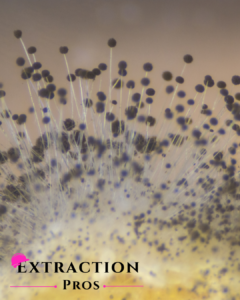
1. Mold Spreads Through Insulation
Fiberglass and cellulose insulation are porous materials, meaning mold spores can embed themselves deep within the fibers. Even if you clean the surrounding area, the spores can remain hidden in the insulation and continue to spread. Over time, these spores can reintroduce mold growth, making your efforts to eliminate the problem ineffective.
3. Mold You Can See is Only a Fraction of the Problem
2. Mold Compromises Air Quality
Attic insulation plays a critical role in your home’s air circulation. If moldy insulation remains in place, mold spores can enter your ventilation system and spread throughout your home. This can lead to respiratory issues, allergies, and other health problems—especially for those with asthma or weakened immune systems. Removing all contaminated insulation ensures that your home’s air remains safe to breathe.
3. Mold Weakens Insulation Effectiveness
Mold growth can degrade insulation materials, reducing their ability to regulate your home’s temperature. This means your HVAC system will have to work harder to maintain a comfortable indoor environment, leading to higher energy bills. Replacing your insulation after mold removal will help restore energy efficiency and improve your home’s overall comfort.
4. Moisture Damage Often Accompanies Mold
Mold is a byproduct of excess moisture, which means if you see mold, there’s a good chance your insulation has absorbed moisture as well. Wet or damp insulation loses its insulating properties, making it ineffective at keeping your home warm in the winter and cool in the summer. Replacing it ensures that your home remains properly insulated and protected from further moisture issues.
5. Preventing Future Mold Growth
Simply cleaning the attic and leaving the insulation in place won’t address the root cause of the problem. Removing all insulation allows you to fully inspect for leaks, inadequate ventilation, and other issues that may have contributed to the mold growth. After replacing the insulation, you can take steps to prevent future mold infestations, such as improving attic ventilation and sealing leaks.
The Right Way to Handle Moldy Insulation
If you suspect mold in your attic insulation, it’s best to work with professionals who specialize in mold remediation and insulation replacement. They have the expertise and equipment to safely remove contaminated materials, treat affected areas, and install new insulation that will keep your home protected for years to come.
Final Thoughts
Mold in your attic is not a problem to take lightly. Leaving mold-infested insulation in place can lead to ongoing health risks, higher energy bills, and continued mold growth. The best way to ensure a clean and healthy attic space is to remove all affected insulation and replace it with fresh, mold-resistant materials. Taking swift action now can save you from costly repairs and health issues down the road.
Have you encountered attic mold before? Share your experience in the comments below!