Loose-Fill Fiberglass vs. Fiberglass Batts: Which One Is Right for Your Attic?

The Case for Loose-Fill Fiberglass
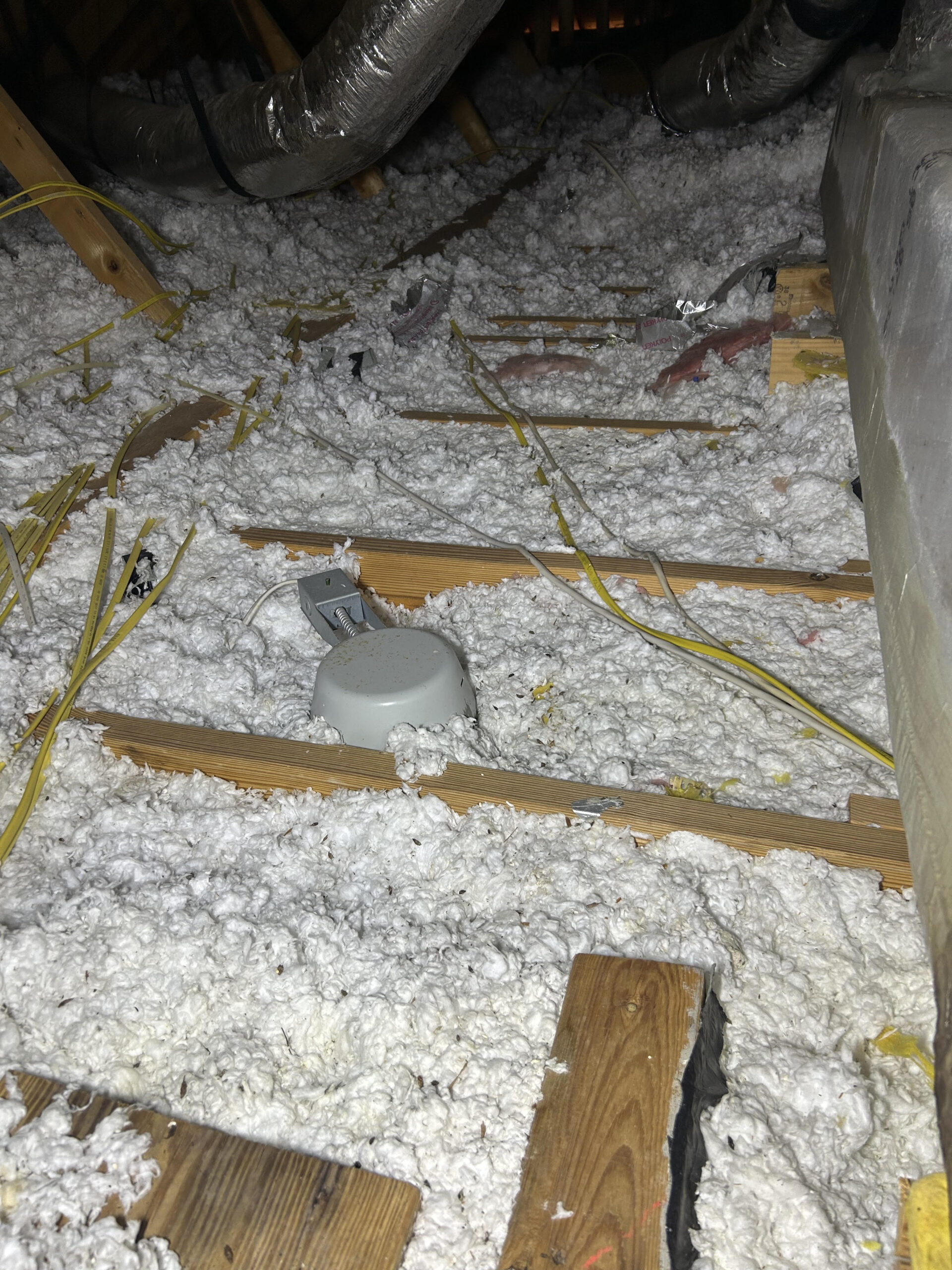
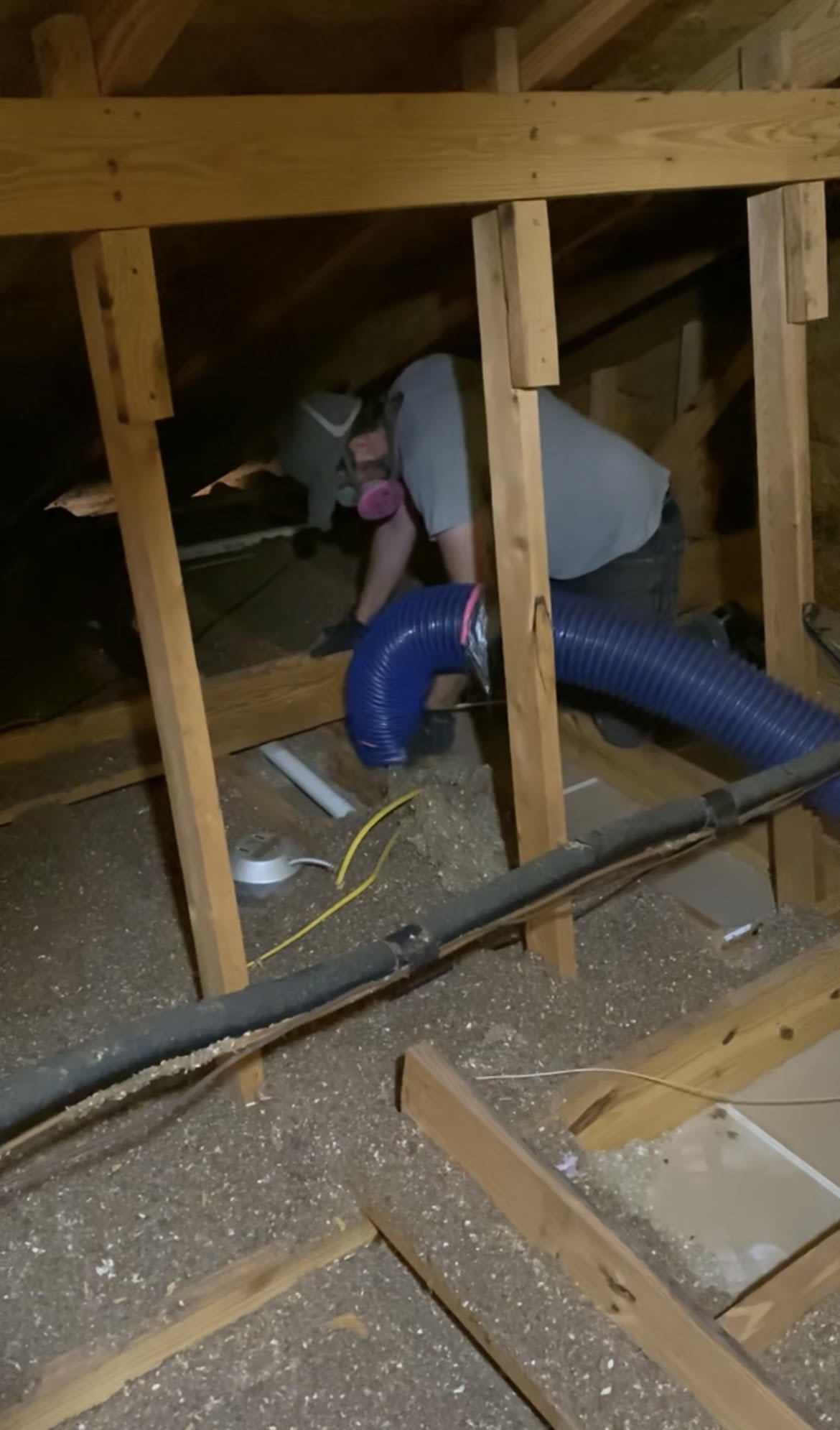
Loose-fill fiberglass, also known as blown-in fiberglass, consists of small, lightweight fibers that are installed using a blowing machine. This method provides several key advantages over fiberglass batts:
-
Superior Coverage & Airflow Resistance
Loose-fill fiberglass can fill small gaps, cracks, and irregular spaces much more effectively than batts, ensuring complete coverage and reducing air leakage. This is especially important in older homes or attic spaces with obstructions like pipes, vents, or framing inconsistencies. -
Higher R-Value Per Inch
R-value measures an insulation material’s resistance to heat flow. Loose-fill fiberglass typically has a higher R-value per inch than batts, meaning it provides better thermal resistance in a thinner layer. This translates to improved energy efficiency and lower heating and cooling costs. -
Easier Installation & Consistency
Fiberglass batts require careful cutting and placement to fit properly, and any gaps or compression can reduce their effectiveness. Loose-fill fiberglass, on the other hand, is professionally blown into place, creating a seamless layer of insulation that ensures maximum performance. -
Better for Retrofits & Upgrades
If you’re adding insulation to an existing attic, loose-fill fiberglass is the superior choice. It can be installed over existing insulation, filling in gaps and increasing overall R-value without the hassle of removing old material. Batts, in contrast, may not fit well alongside older insulation, leading to inconsistent coverage. -
Less Prone to Settling & Moisture Retention
Some insulation materials settle over time, reducing their effectiveness. Modern loose-fill fiberglass is engineered to resist settling, maintaining its insulating properties for decades. Additionally, it does not retain moisture as easily as some batt insulations, reducing the risk of mold and mildew growth.
When to Consider Fiberglass Batts
While loose-fill fiberglass is the superior option for most attics, fiberglass batts may still have a place in certain situations:
-
If you’re insulating a new construction home with open walls and easily accessible attic joists, batts can be a viable option.
-
If you prefer a DIY installation, fiberglass batts may be easier for a homeowner to install without specialized equipment.
The Bottom Line
For most homeowners, loose-fill fiberglass is the better investment. It provides more consistent coverage, higher R-values, and better long-term performance compared to fiberglass batts. If you’re looking to upgrade your attic insulation in Mobile, Alabama, Extraction Pros specializes in working with local builders and rehabbers to bring attics up to code with high-quality loose-fill fiberglass insulation. Contact us today to improve your home’s energy efficiency and comfort!