
Insulation replacement

Top 5 Signs Your Attic Insulation Needs to Be Replaced
Many homeowners in Baldwin County and Pensacola don’t realize their insulation is failing — until the energy bills start climbing. Here are five clear signs it’s time for an upgrade.
1. Rising Energy Bills
Your attic may be leaking cooled or heated air if your power bill keeps climbing.
2. Uneven Temperatures in Your Home
Hot or cold spots between rooms often signal poor insulation.
3. Drafts or Musty Smells
Moisture or airflow through the attic can make your home uncomfortable and musty.
4. Visible Gaps or Settling
If you can see attic joists or insulation that looks flat, it’s not working properly.
5. Insulation That’s 15+ Years Old
Most insulation loses effectiveness over time, especially in humid Gulf Coast conditions.
Why Local Homeowners Choose Extraction Pros
We specialize in insulation removal and replacement for Baldwin County, Mobile County, and Pensacola homes. Whether your insulation is contaminated, outdated, or just too thin — we’ll bring your attic back to peak performance.
Crawl Space Cleanup in Baldwin County – Out with the Old Insulation
Not all insulation projects happen in attics. Sometimes the biggest problems are hiding beneath your feet. Recently, we were called to a home in Baldwin County where the crawl space insulation had been in place for over 30 years. Unfortunately, time and moisture had taken their toll.
The insulation had completely deteriorated—and worse, it had caused damage to the subfloor above. The homeowner was facing rotted wood and an unhealthy crawl space environment.
Here’s how we handled it:
-
Cutting Away the Bottom Board – First, we carefully removed the old bottom board to gain full access to the crawl space and insulation.
-
Insulation Removal – Using our professional equipment, we vacuumed and sucked out every bit of the old, damaged insulation.
-
Clean Slate for Repairs – With the insulation gone, the homeowner now has a clear crawl space and is moving forward with replacing the rotted subfloor.
This project is a great reminder that insulation doesn’t last forever. Old, damp insulation not only loses its effectiveness—it can lead to serious structural issues over time.
By removing the failed insulation, we gave this homeowner a fresh start and the opportunity to rebuild a safer, stronger subfloor. Once repairs are complete, the crawl space will be ready for proper air sealing and fresh insulation, keeping the home healthier and more energy-efficient for years to come.
If your crawl space is hiding 20+ years of insulation, it may be time for a cleanup. We’re here to help you start fresh.
From Sweltering Shed to Comfortable Workshop – Insulation Project in Pensacola
Sometimes the smallest projects make the biggest impact. Recently, we were called out to a home in Pensacola where the homeowner had converted his backyard shed into a workshop. He loved using the space, but there was one big problem—it was hot, stuffy, and uncomfortable. Without insulation, the shed was at the mercy of Florida’s weather.
That’s where we came in. The homeowner wanted to turn his workshop into a space he could actually enjoy year-round, so he called us to insulate the shed. Our team installed fiberglass batts in both the walls and the ceiling, creating a proper thermal barrier and sealing the space off from the extreme outdoor temperatures.
The results were immediate. Within just five minutes of finishing the job, the homeowner told us he could already feel a difference. By the end of the day, after spending time in his newly insulated workshop, he said he’d never had a workspace so comfortable.
The entire install took us just one day and was completed at an affordable price—proof that even small upgrades can dramatically improve comfort and usability.
Now, instead of dreading the heat, this homeowner has a workshop he can actually enjoy, whether he’s tackling projects in the middle of summer or working late into the evening.
At Extraction Pros, we believe every space in your home—big or small—deserves to be comfortable. Whether it’s a shed, garage, or attic, the right insulation makes all the difference.
Why You Should Remove Fiberglass Batts from Your Attic – We service Baldwin County, Mobile County, and The Pensacola Area
If your home was built more than a few years ago, chances are your attic has fiberglass batts sitting between the joists. For decades, batts were the go-to option for insulating attics. But here’s the problem: they don’t hold up well over time, and in most cases, they’re costing homeowners money every single month on their energy bills.
So, why should you consider removing fiberglass batts? Let’s break it down:
1. They’re Outdated and Inefficient
Fiberglass batts are considered the “old way” of insulating. When they were first installed, they may have provided decent coverage, but insulation doesn’t last forever. Over time, batts tend to settle, compress, and deteriorate. This lowers their R-value—the measure of how well insulation resists heat—meaning your attic is no longer keeping your home as comfortable or energy-efficient as it should be.
In other words, the insulation that was supposed to save you money is probably costing you money now.
2. They Leave Gaps and Expose Wood
There’s a simple rule of thumb when it comes to attic insulation: “If you can see wood, your insulation isn’t doing its job.”
Fiberglass batts only cover the spaces between your attic joists, leaving all the wood framing exposed. Those exposed gaps act like little highways for heat, letting hot attic air seep down into your home. In the summer, this means your AC has to work overtime just to keep things cool. In the winter, your heating system struggles to keep warm air from escaping upward.
The end result? Higher energy bills and less comfort year-round.
What’s the Better Option?
Today’s insulation methods—like blown-in cellulose or spray foam—provide far better coverage. They create a continuous, blanket-like layer that seals up cracks and gaps, keeping your home more comfortable and your energy bills lower.
At the end of the day, fiberglass batts had their time, but they’ve been left behind by modern insulation standards. If you want your home to be energy efficient, comfortable, and up to code, replacing those batts is one of the smartest upgrades you can make.

Raccoon Infestation & Insulation Replacement Mobile, AL
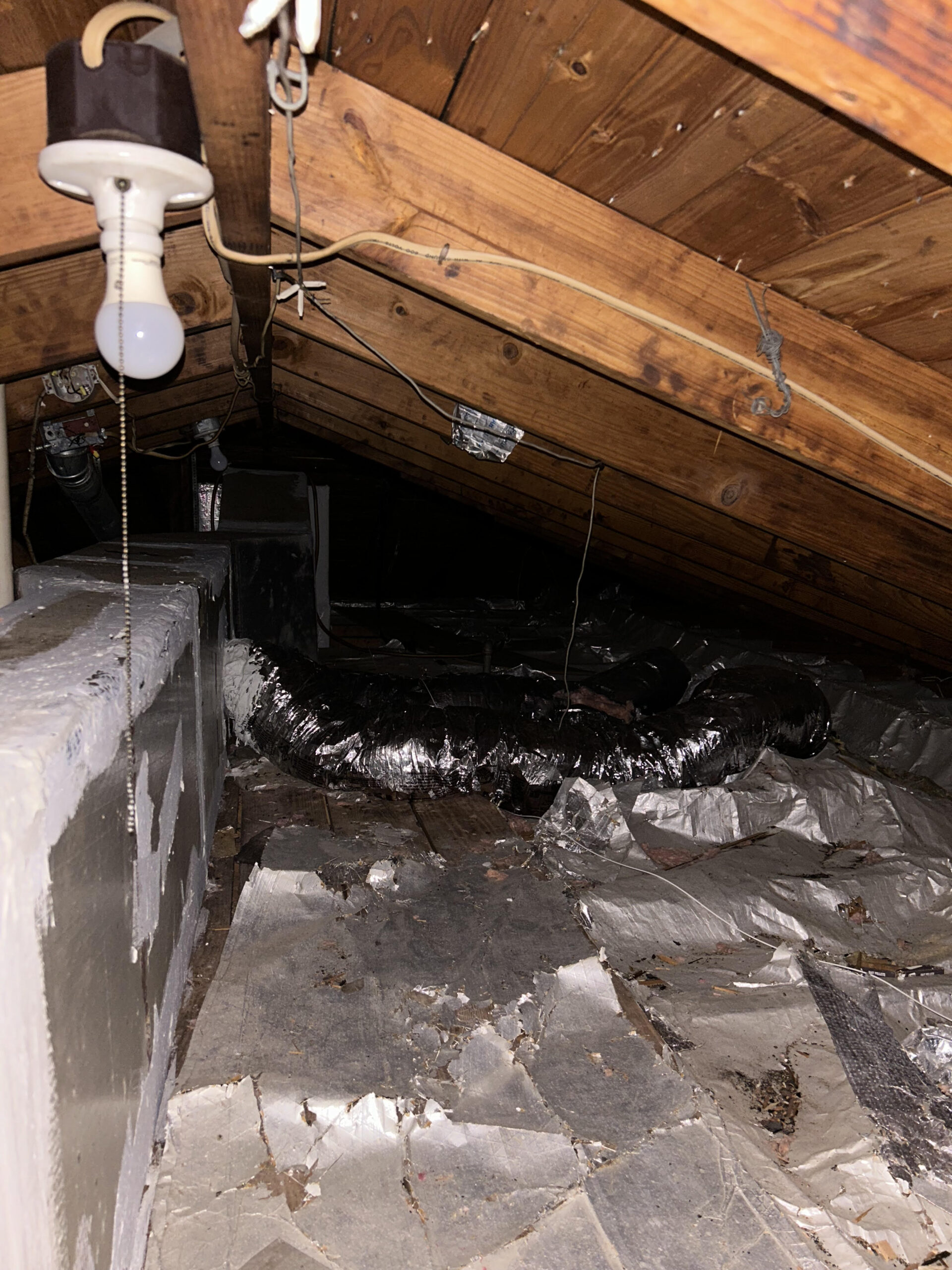
Assess the Situation: Safely inspect the attic to determine the extent of the infestation. Look for signs like droppings, damaged insulation, or nesting materials. Avoid direct contact with any raccoons or their waste.
Contact a Professional: Reach out to a wildlife removal expert who is experienced in handling raccoon infestations. They can safely and humanely remove the animals and provide advice on preventing future infestations.
Seal Entry Points: Once the raccoons are removed, identify and seal any entry points they used to access the attic. This could include gaps in the roof, vents, or other openings. Use durable materials like metal mesh to prevent re-entry.
Clean and Disinfect: Thoroughly clean and disinfect the attic to remove any droppings and eliminate odors that could attract other wildlife. Consider hiring a professional cleaning service to ensure all hazardous materials are safely handled.
Replace Damaged Insulation: If the insulation is damaged or contaminated, it may need to be replaced. This will not only improve the energy efficiency of your home but also ensure a safe and healthy environment.
Implement Preventive Measures: Consider installing motion-activated lights or noise deterrents around your property to discourage raccoons from returning. Regularly inspect your home for any new potential entry points.
By taking these steps, you can effectively deal with the raccoon infestation and protect your home from future issues.
A Hidden Hazard: How a Water Leak Led to a Complete Attic Overhaul in Robertsdale, Alabama

Assessing the Damage
Water damage in an attic is more than just an inconvenience—it can lead to mold growth, compromised insulation, and poor air quality. When we inspected the space, we confirmed that the existing cellulose insulation had absorbed moisture, making it not only ineffective but also a potential breeding ground for mold and other contaminants.
Removing the Old Insulation
Due to the homeowner’s concerns about fire safety and insulation effectiveness, we removed all of the old cellulose insulation. This was a critical step to eliminate any potential hazards and ensure a fresh start for the attic’s insulation system.
Air Sealing and Enzyme Treatment
Once the insulation was removed, we took the opportunity to air seal the attic. Air leaks can significantly impact a home’s energy efficiency by allowing conditioned air to escape and outdoor air to enter. By sealing gaps and cracks, we improved the overall energy performance of the home.
Additionally, we performed an enzyme treatment to neutralize dust, allergens, and any lingering contaminants from the old insulation. This step played a crucial role in improving indoor air quality and creating a healthier living environment for the homeowner.
Installing Loose-Fill Fiberglass Insulation
With the attic properly sealed and treated, we moved on to installing new, high-quality loose-fill fiberglass insulation. Unlike cellulose, fiberglass insulation is non-flammable, resistant to moisture, and maintains its effectiveness over time. This choice not only addressed the homeowner’s safety concerns but also provided a long-term solution for better energy efficiency.
The Final Outcome
By the end of the project, the attic was completely transformed. The homeowner now has peace of mind knowing that their insulation is safe, efficient, and resistant to moisture-related issues. This project is a great example of how a seemingly small problem—like a water leak—can uncover opportunities to make impactful improvements to a home.
If you suspect issues with your attic insulation, whether due to water damage, age, or efficiency concerns, don’t hesitate to reach out. A well-insulated and properly sealed attic can make all the difference in your home’s comfort, air quality, and energy savings.
How to Address Settling Insulation and Enhance Energy Efficiency in Your Home
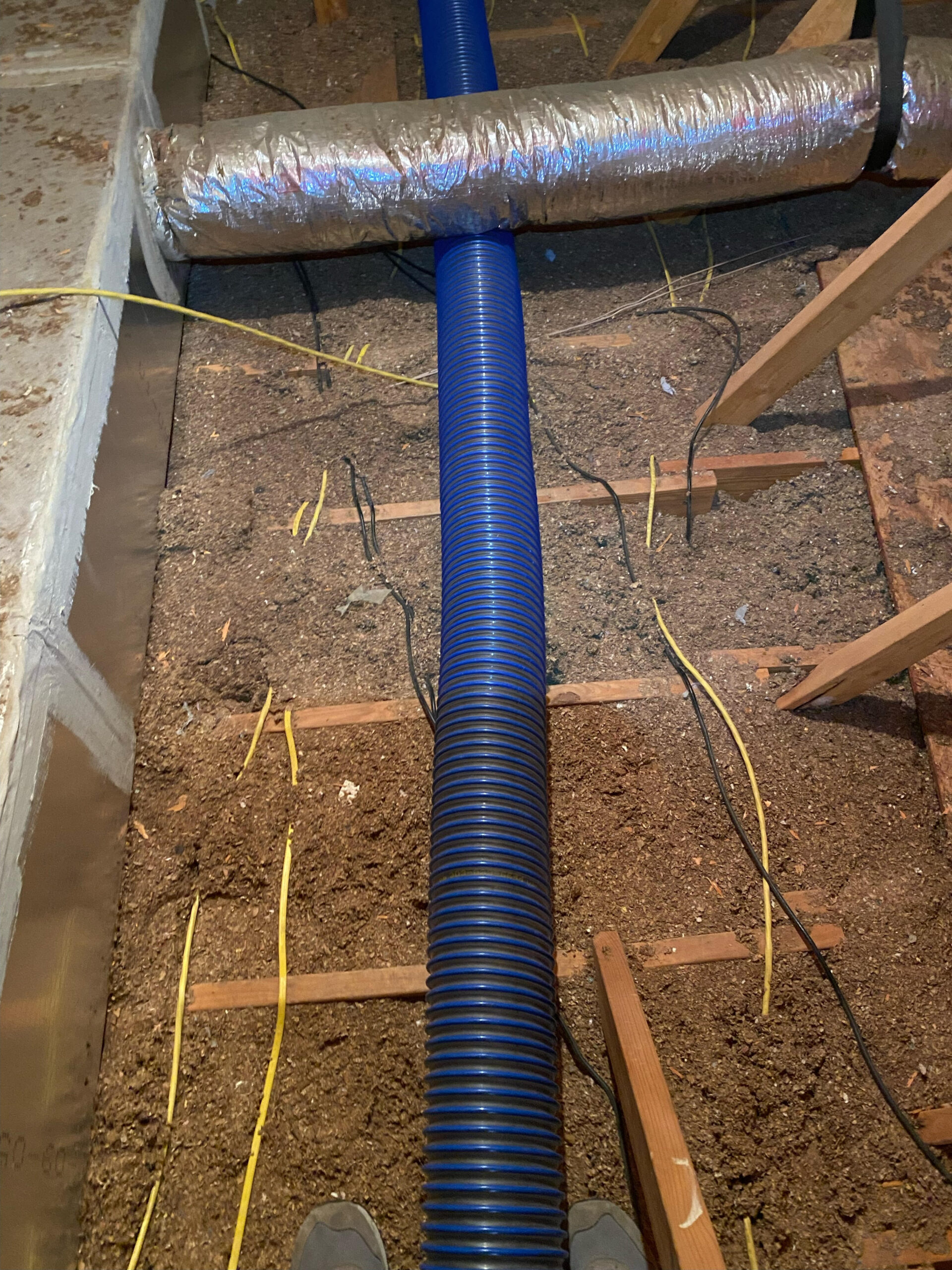
How to Address Settling Insulation and Enhance Energy Efficiency in Your Home
Inspect and Assess Current Insulation: Begin by conducting a thorough inspection of your home’s insulation. Look for areas where the insulation has settled or become compacted. Attic spaces, walls, and basements are common areas where this can occur. If you’re unsure how to assess your insulation, consider hiring a professional for a detailed evaluation.
Add More Insulation: If you find that your insulation has settled significantly, adding more insulation can help restore its effectiveness. This is particularly important in attics and walls, where air can easily escape. Options include fiberglass batts, loose-fill cellulose, or spray foam insulation, each offering unique benefits for different areas of the home.
Seal Air Leaks: Settling insulation often reveals or exacerbates air leaks around windows, doors, and other openings. Use caulk or weatherstripping to seal these gaps and prevent conditioned air from escaping. Not only does this improve energy efficiency, but it also enhances indoor comfort.
Consider Radiant Barrier Installation: For homes in warmer climates, installing a radiant barrier in the attic can reflect heat away from the home, reducing cooling costs. This is a valuable addition to traditional insulation, especially if your home experiences intense sunlight.
Regular Maintenance and Upkeep: Routine checks and maintenance are essential to ensure your insulation remains effective. Look for signs of moisture, mold, or pest infestations, as these can degrade insulation over time. Address any issues promptly to maintain optimal insulation performance.
Consult with an Energy Auditor: For a comprehensive understanding of your home’s energy efficiency, consider consulting with an energy auditor. They can provide insights into how your entire home uses energy and recommend specific improvements tailored to your needs.
By taking these proactive steps, you can address settling insulation and enhance your home’s energy efficiency, ultimately leading to lower energy bills and a more comfortable living environment. Remember, investing in proper insulation is not just about saving money—it’s about creating a sustainable and comfortable home for years to come.
Rat Infested Insulation in Navarre FL
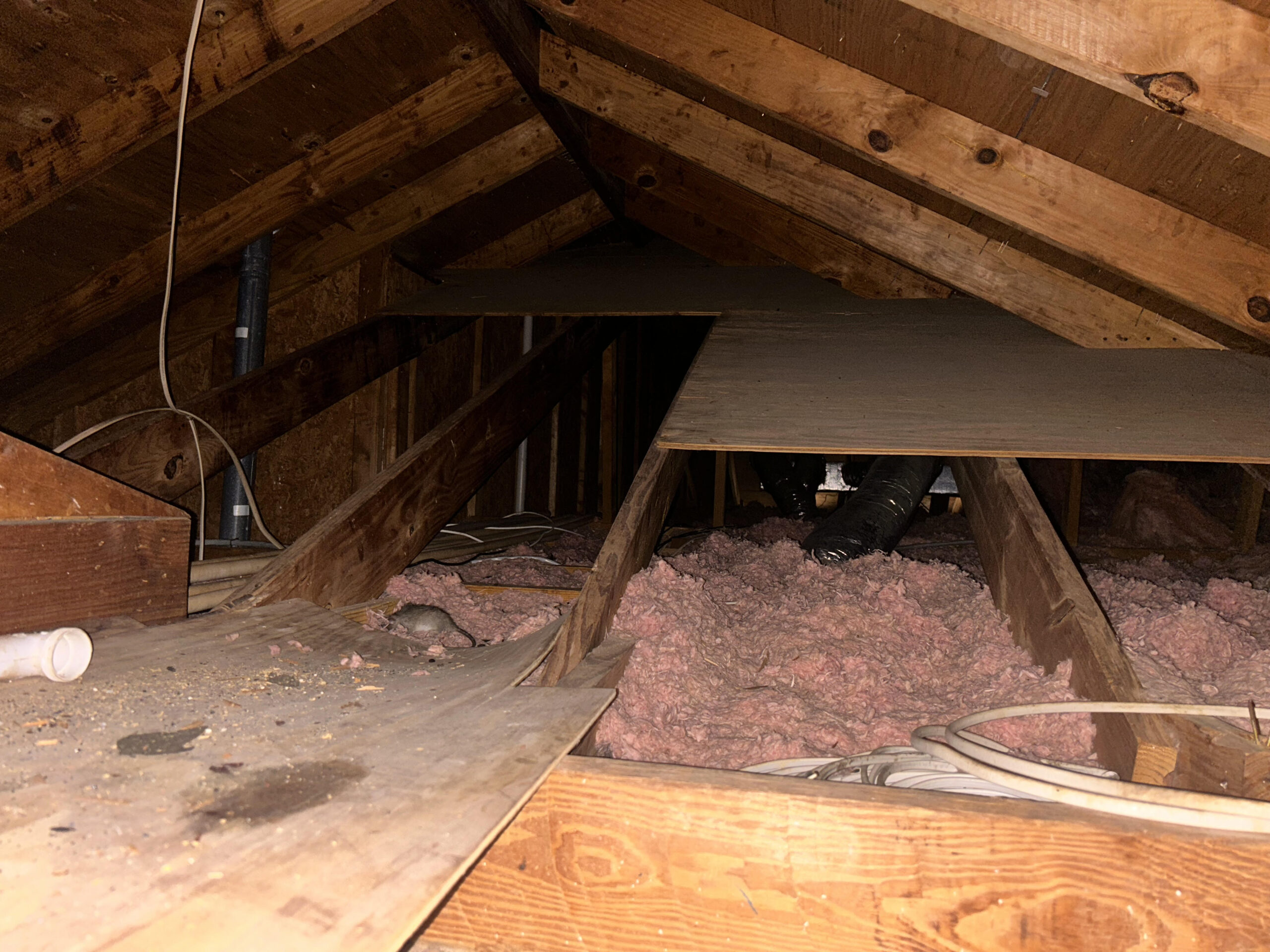
Rat Infestated Insulation in Navarre FL
Understanding the Problem
Rats are notorious for seeking out warm and sheltered areas, making insulation an ideal nesting spot. They can chew through materials, leaving behind droppings, urine, and other contaminants that compromise air quality and contribute to unpleasant odors. Moreover, their gnawing can damage wiring, posing a fire hazard.
Health Risks
Rats can carry numerous diseases that can be transmitted to humans, including hantavirus, leptospirosis, and salmonella. Their droppings and urine can exacerbate allergies and respiratory issues, making it essential to address infestations promptly.
Steps to Take
Identify the Extent of the Infestation: Conduct a thorough inspection of your attic or any insulated areas to assess the extent of the damage. Look for signs such as droppings, shredded insulation, and gnawed materials.
Seal Entry Points: Rats often enter through small gaps around pipes, vents, and eaves. Sealing these entry points is crucial to prevent further infiltration.
Hire a Professional Exterminator: While DIY methods may seem tempting, professional exterminators have the expertise to effectively eliminate the infestation. They can also provide advice on long-term prevention.
Remove and Replace Contaminated Insulation: Once the rats have been eradicated, it’s important to remove any contaminated insulation. This step is vital for restoring a healthy environment and may require professional services to ensure safety and efficiency.
Implement Preventive Measures: Regular maintenance, such as keeping food sources secured and maintaining a tidy yard, can deter future infestations. Consider using rat-proof insulation options if replacement is necessary.
Conclusion
Dealing with a rat-infested insulation issue can be challenging, but taking prompt and effective action can help protect your home and health. By understanding the problem and implementing the right solutions, you can restore peace of mind and ensure your living space remains a safe haven.