
Is the Insulation in My Attic Making Me Sick?
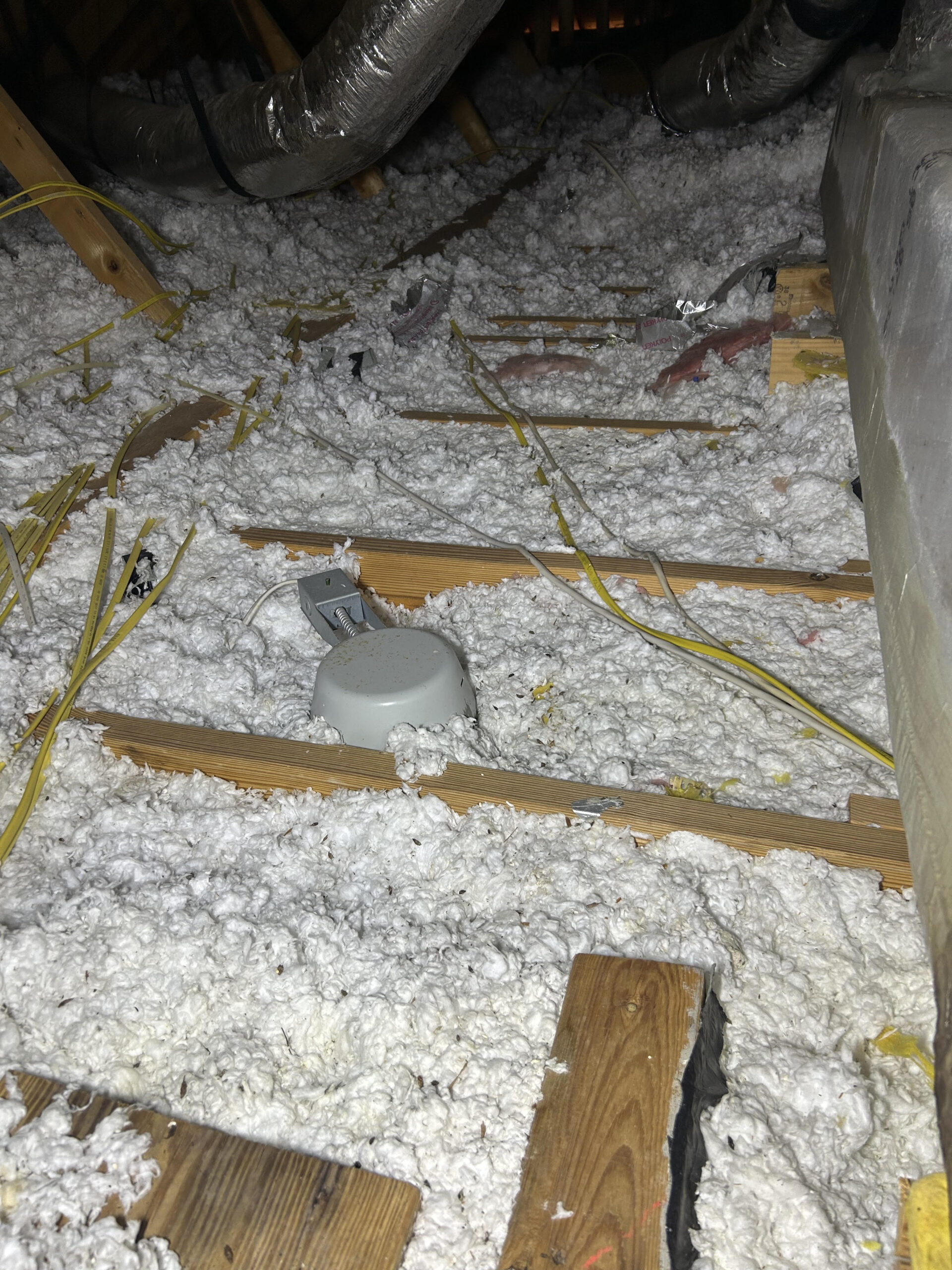
Signs of Contaminated Insulation
Insulation can become contaminated over time due to various factors, including:
Mold Growth: Moisture buildup in the attic can lead to mold-infested insulation, releasing harmful spores into the air.
Rodent or Pest Infestation: Droppings, urine, and nesting materials from rodents and insects can spread bacteria and allergens.
Dust and Debris Accumulation: Over time, insulation can collect dust, dirt, and pollutants that reduce indoor air quality.
Health Symptoms Linked to Contaminated Insulation
Exposure to contaminated insulation can cause a range of health problems, including:
Respiratory issues such as coughing, wheezing, or shortness of breath
Allergic reactions, including sneezing, itchy eyes, and skin irritation
Chronic headaches or fatigue
Worsening of asthma or other preexisting conditions
Increased susceptibility to infections due to mold exposure
How to Address the Issue
If you suspect your attic insulation is making you sick, consider the following steps:
Inspect Your Attic: Look for visible signs of mold, pest droppings, or deteriorating insulation.
Test Air Quality: Conduct an air quality test to check for mold spores, asbestos, or other contaminants.
Consult a Professional: If contamination is found, hire a specialist to assess and safely remove the affected insulation.
Replace with Safe Materials: Upgrade to non-toxic, mold-resistant insulation materials.
Improve Ventilation: Proper attic ventilation can prevent moisture buildup and discourage mold growth.
Seal Entry Points: Keep pests out by sealing any cracks or openings.
Final Thoughts
Your attic’s insulation should be protecting your home—not harming your health. If you suspect contamination, don’t ignore the signs. Take proactive measures to ensure that your home’s air quality remains safe for you and your family.